








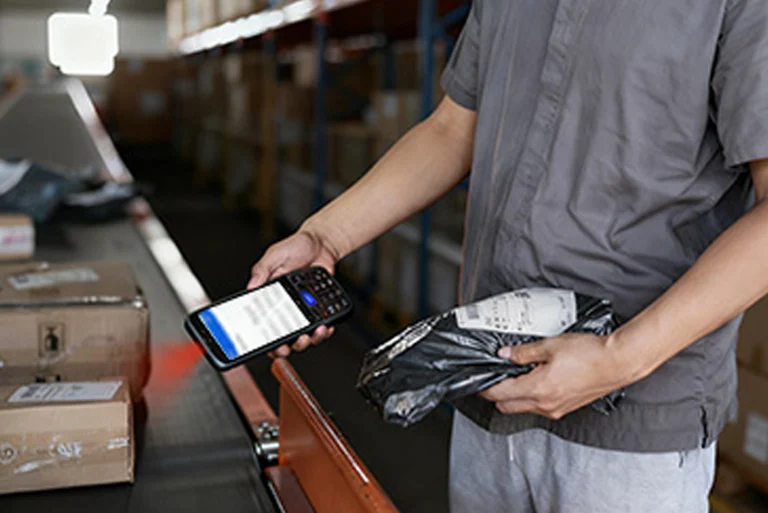


Modern warehouse operations increasingly require accurate shelf-level product identification and real-time information synchronization to support faster inventory turnover, replenishment planning, and order fulfillment. Traditional manual checks and paper-based shelf audits often cause data delays, misplaced stock, inaccurate counts, and inefficiencies during peak operational periods.
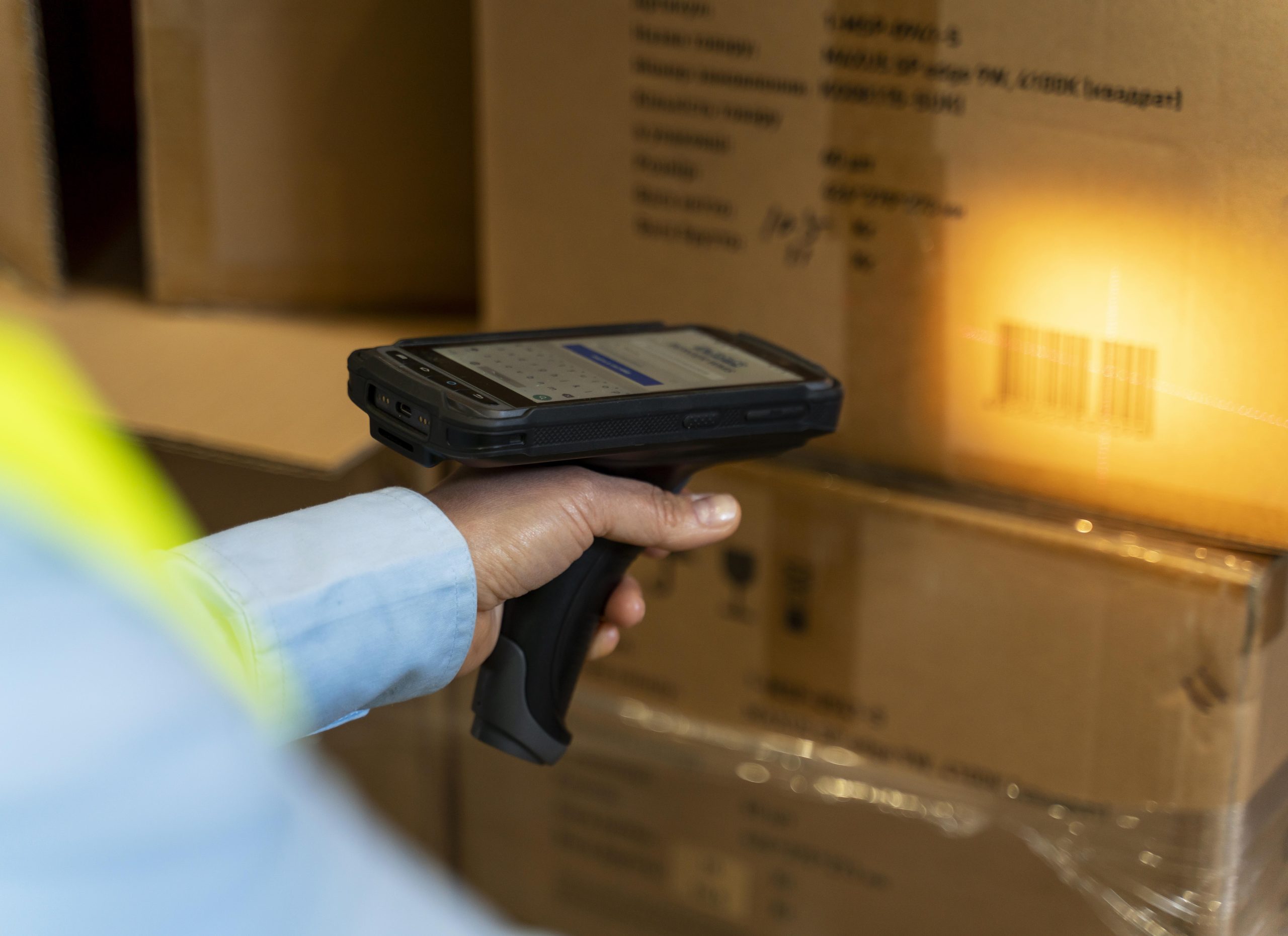
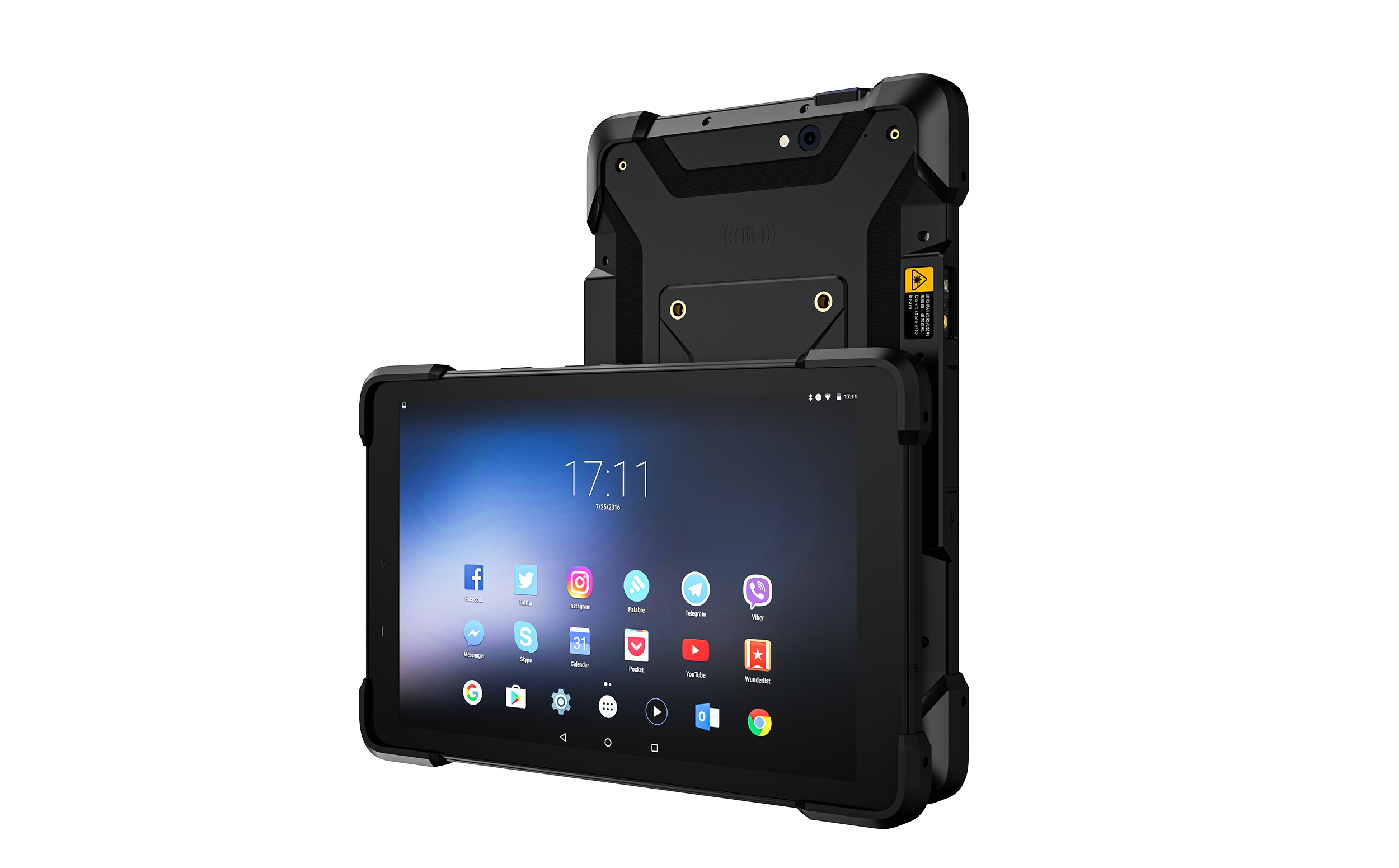
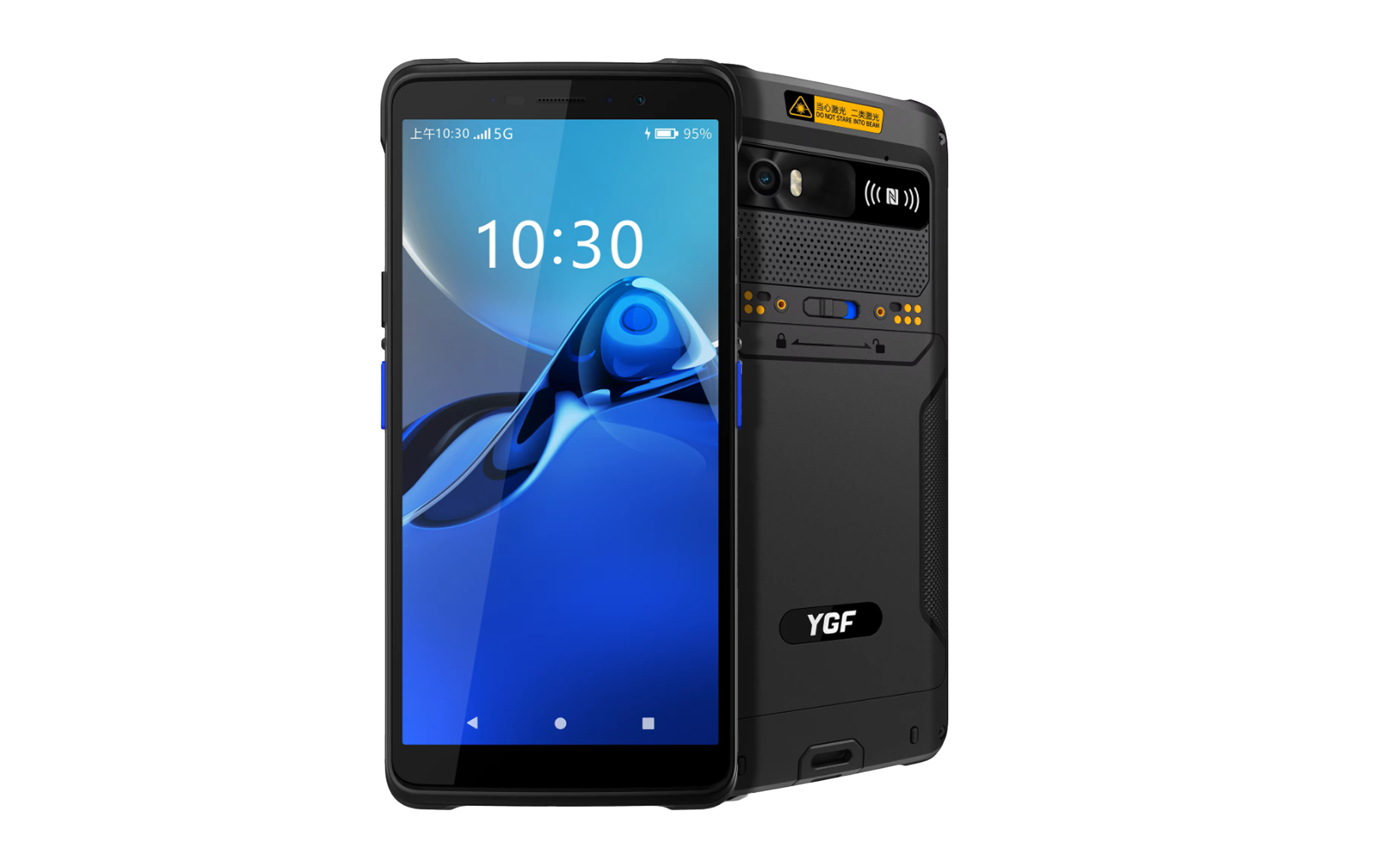
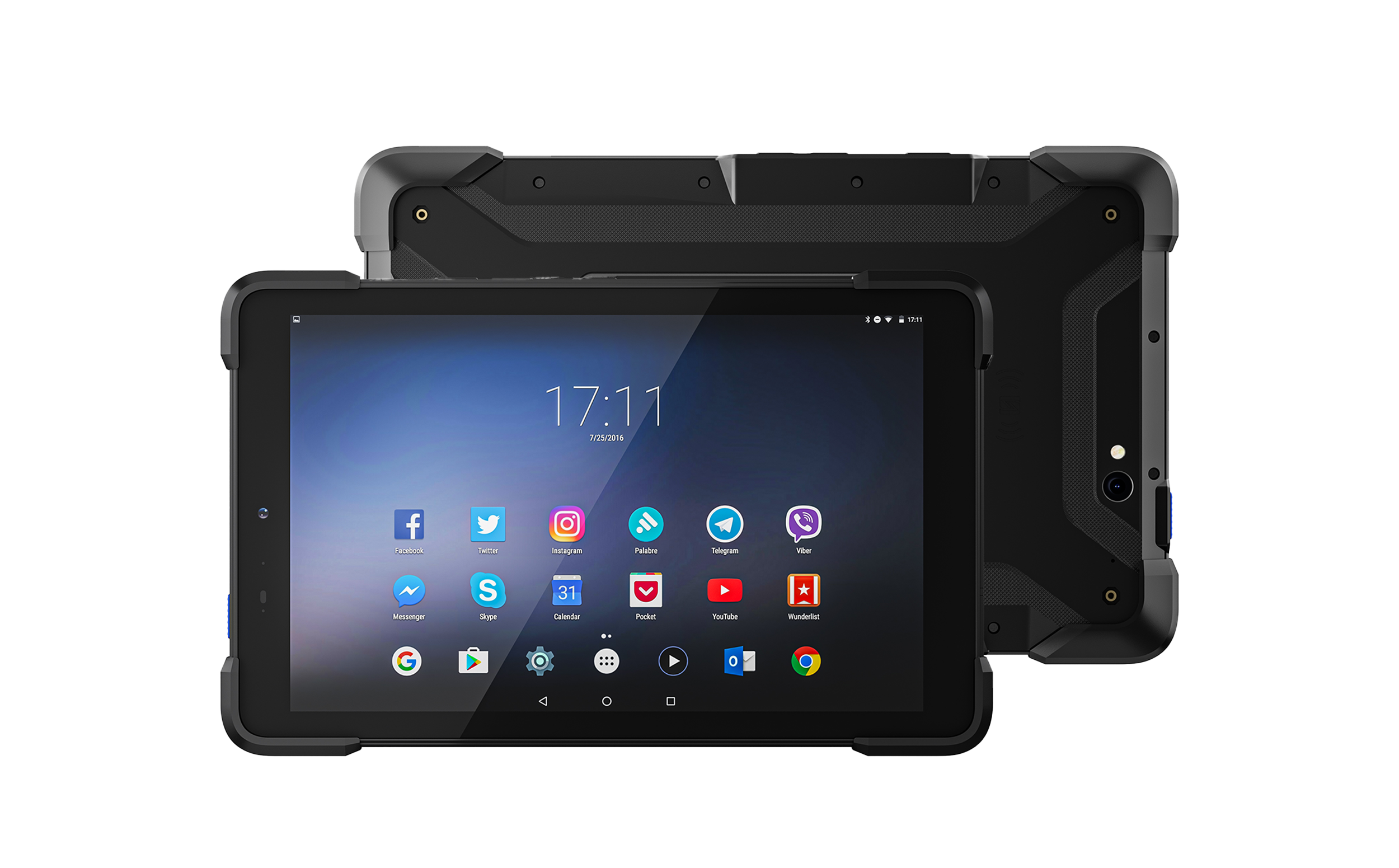
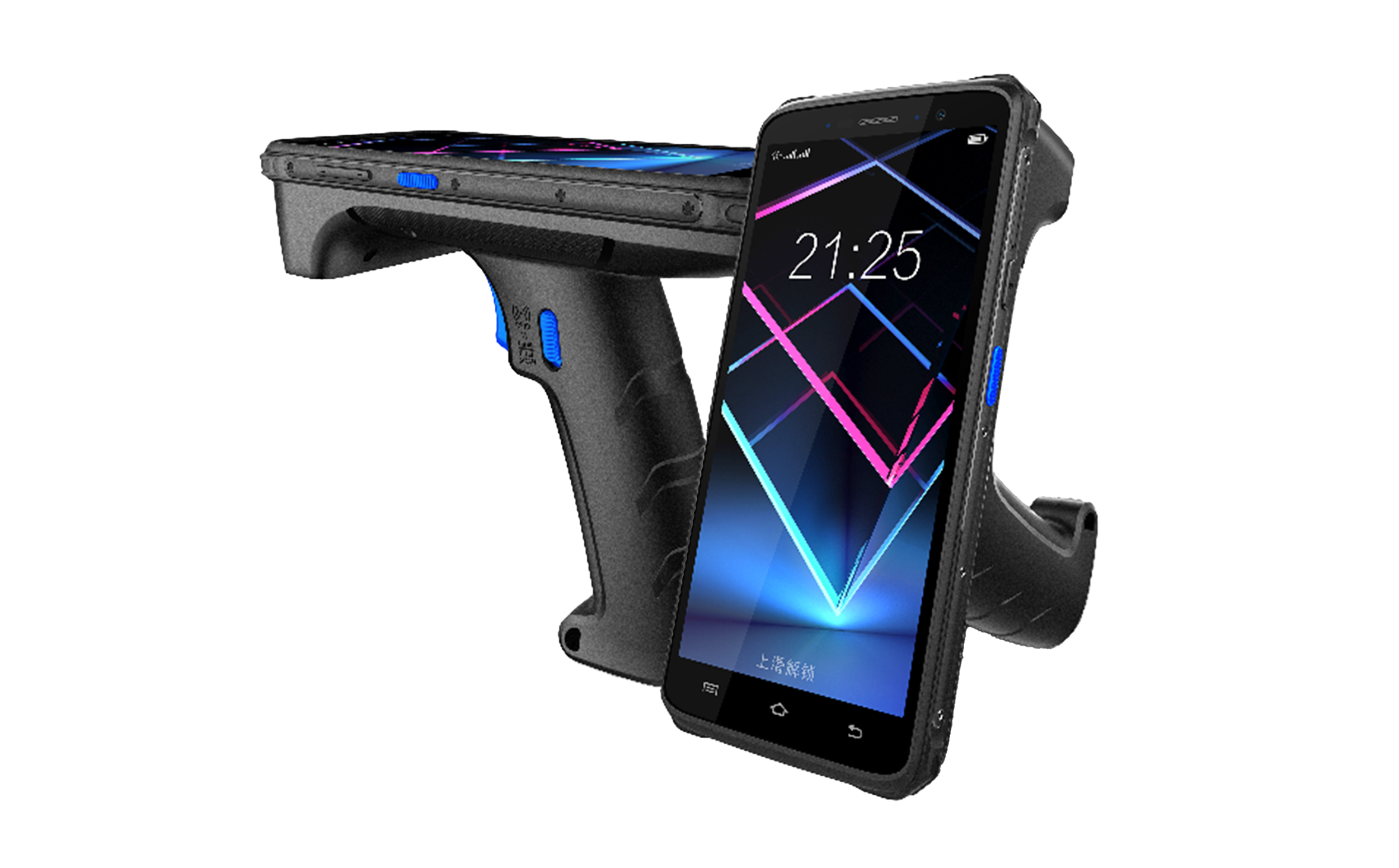
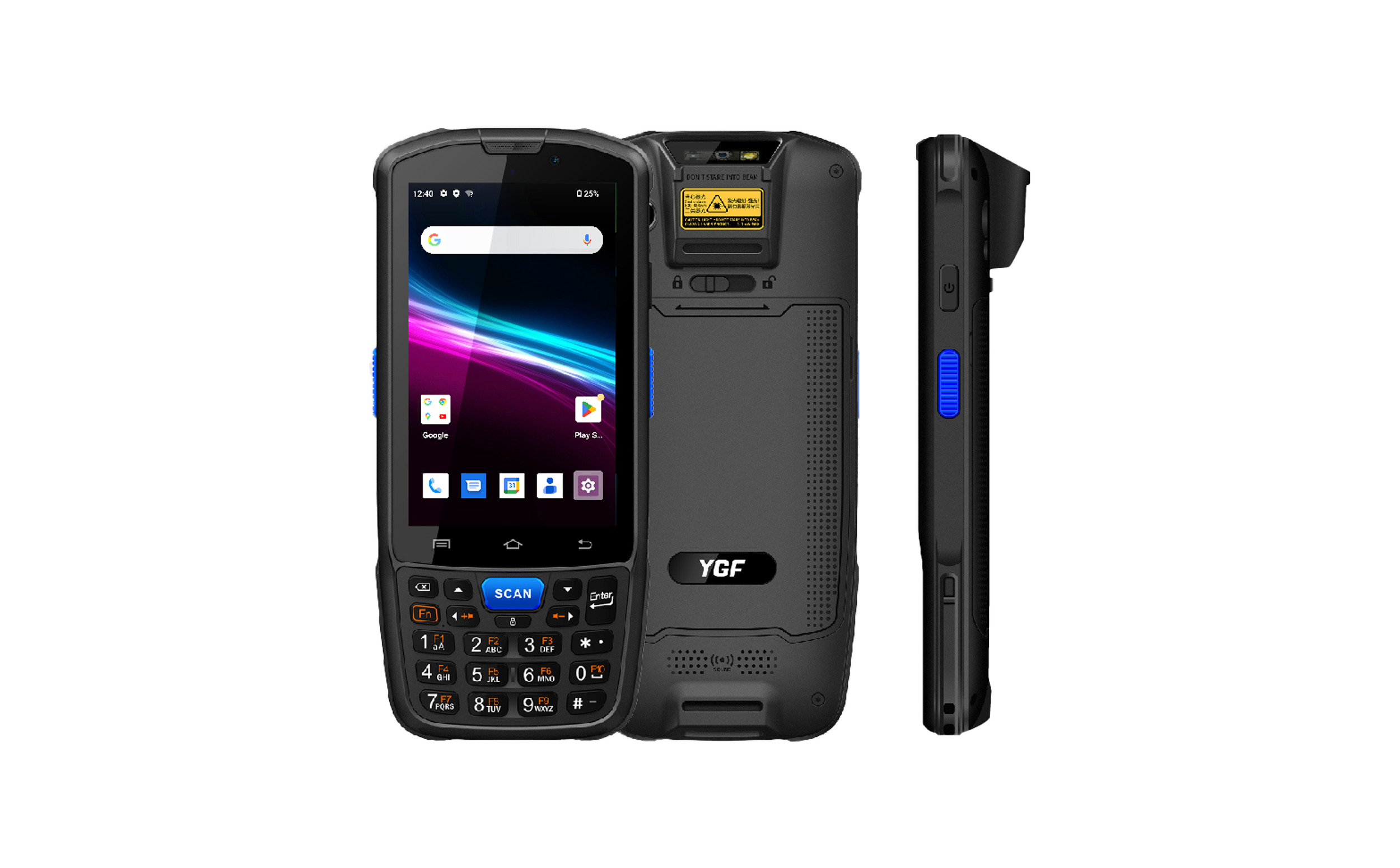
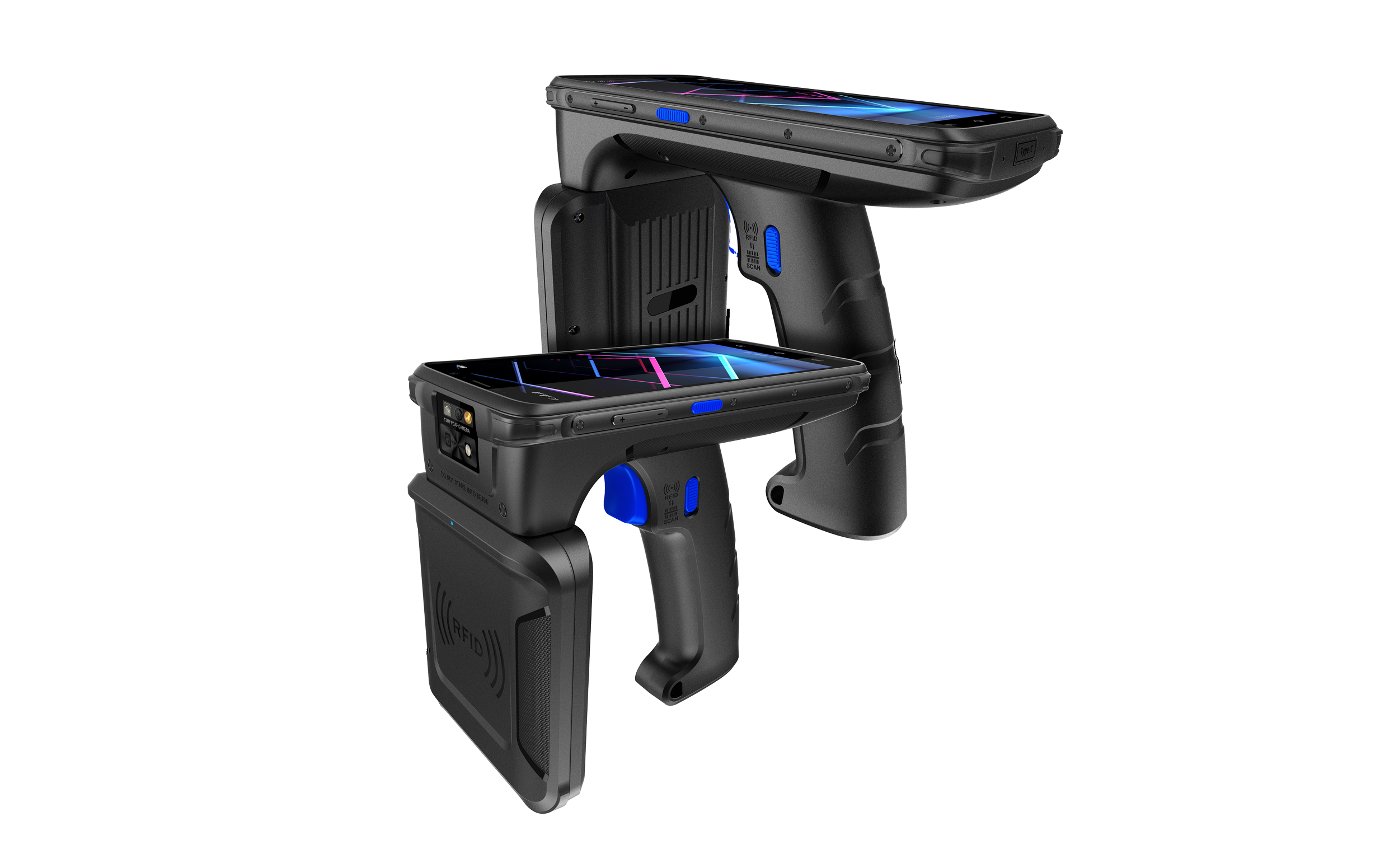
To address these challenges, warehouse operators are adopting handheld PDA-based scanning workflows to manage shelf-level operations. Workers scan 1D and 2D barcodes directly on product labels or shelf tags using industrial handheld terminals equipped with integrated scanning engines. The scanned data synchronizes with WMS or ERP systems, enabling instant validation of product codes, locations, batch numbers, expiration dates, quantities, and replenishment status.
In shelf replenishment, workers receive task assignments on the handheld terminal, scan the product and destination shelf to confirm item-location matching, and update inventory status after completing the job. For inventory audit, cycle counting processes are executed by scanning shelf tags and product labels to verify recorded quantities against system values, reducing discrepancies and improving accuracy. During picking and order assembly, shelf-level scanning verifies product identity before removal, ensuring correct SKU matching and preventing order errors.
Industries such as e-commerce fulfillment, pharmaceuticals, cosmetics, food distribution, and retail backroom logistics rely heavily on shelf-level execution due to diverse SKU structures and frequent item movement. The combination of mobility terminals, scanning engines, and wireless connectivity provides frontline operators with faster data access, guided workflows, exception reporting, and coordinated replenishment triggers.
Shelf-level product scanning strengthens supply chain visibility and supports downstream functions such as order prediction, demand planning, expiration tracking, and traceability reporting. By bridging product information at the shelf with central inventory systems, warehouse operators achieve higher throughput, tighter accuracy tolerance, and reduced operational waste.