

Apparel retail is characterized by high SKU density, frequent assortment changes, seasonal transitions, multiple size and color variants, and continuous replenishment between stockroom and sales floor. Accurate product identification and shelf execution play a critical role in reducing inventory discrepancies and improving merchandise availability for customers.
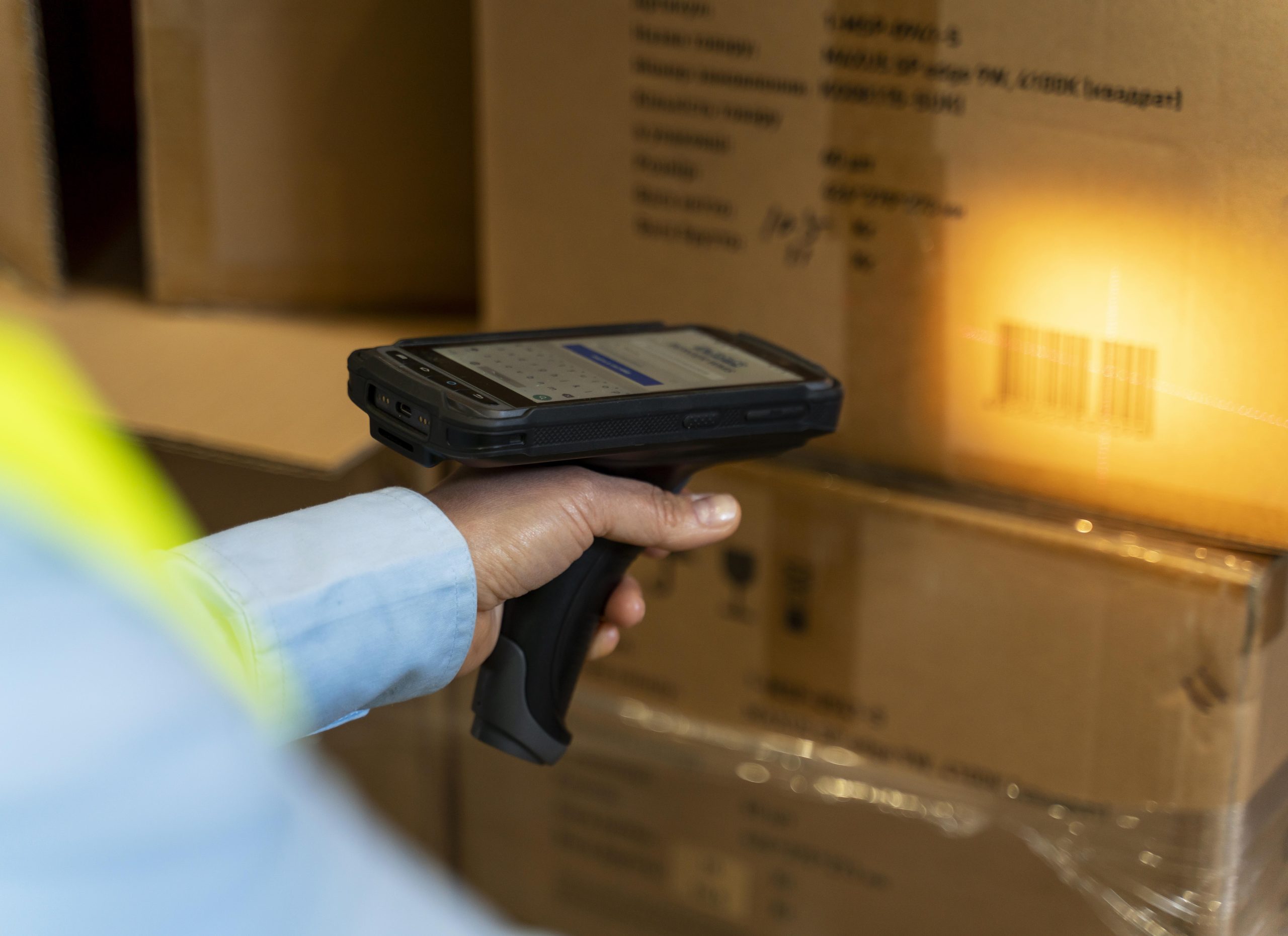
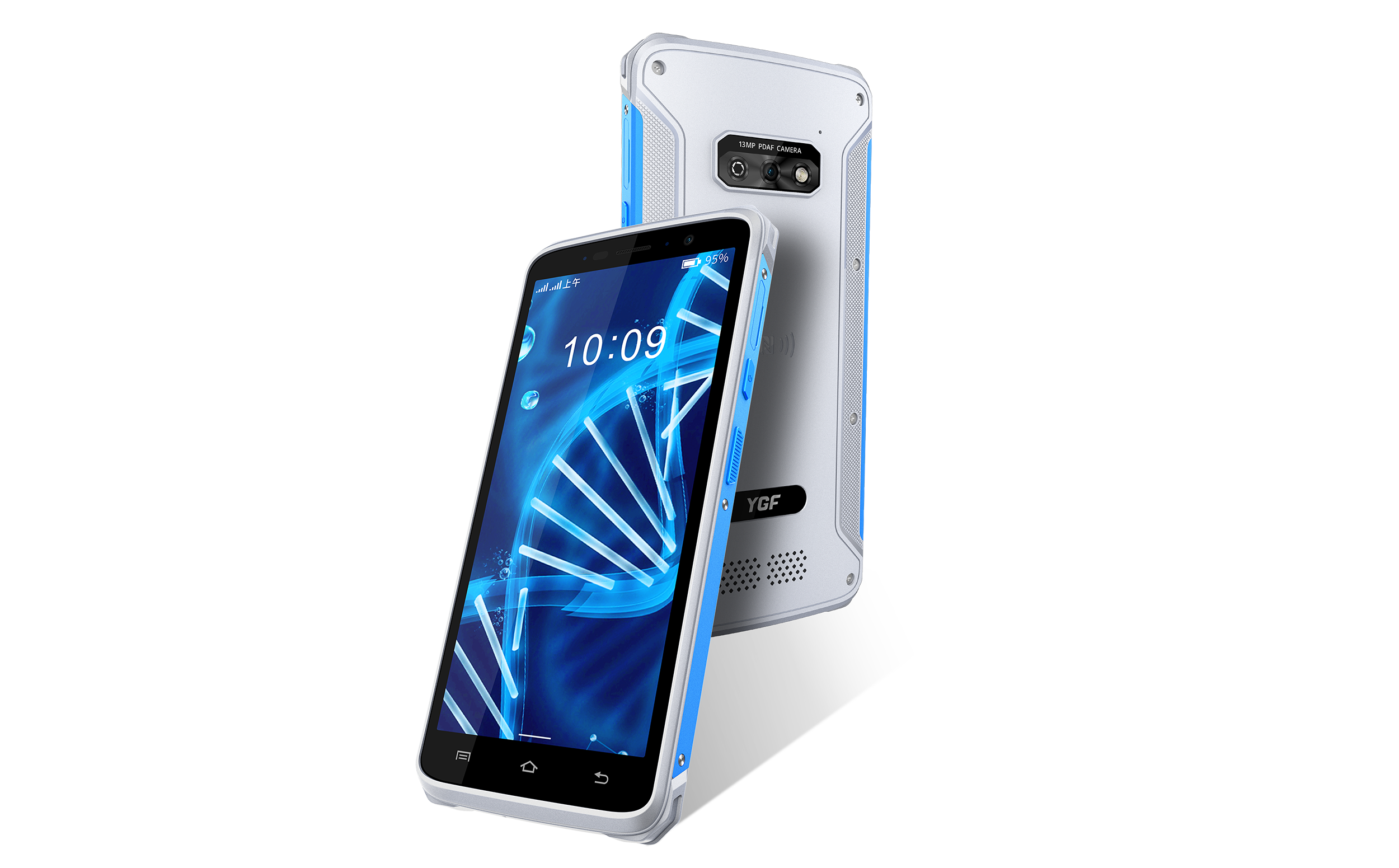
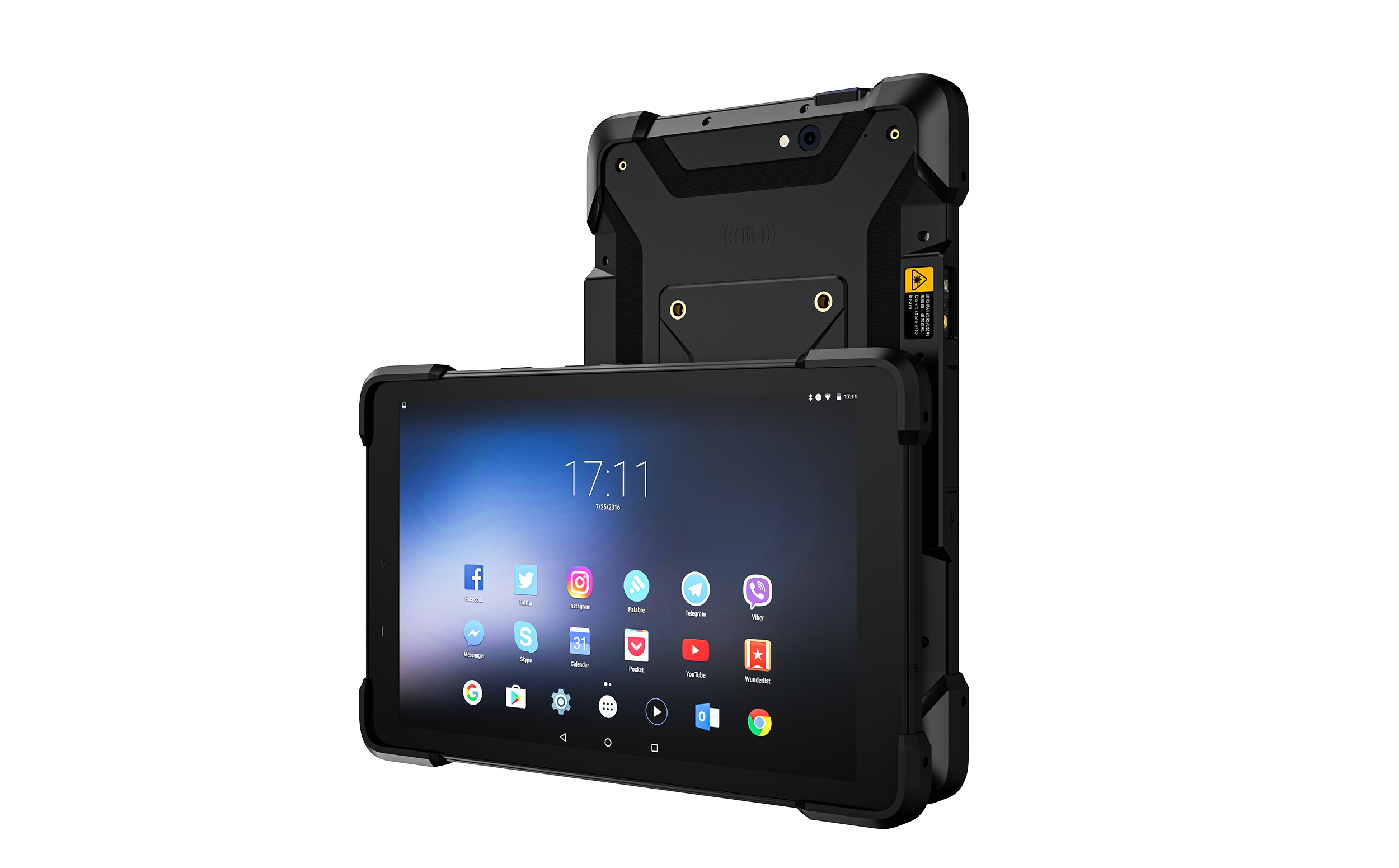
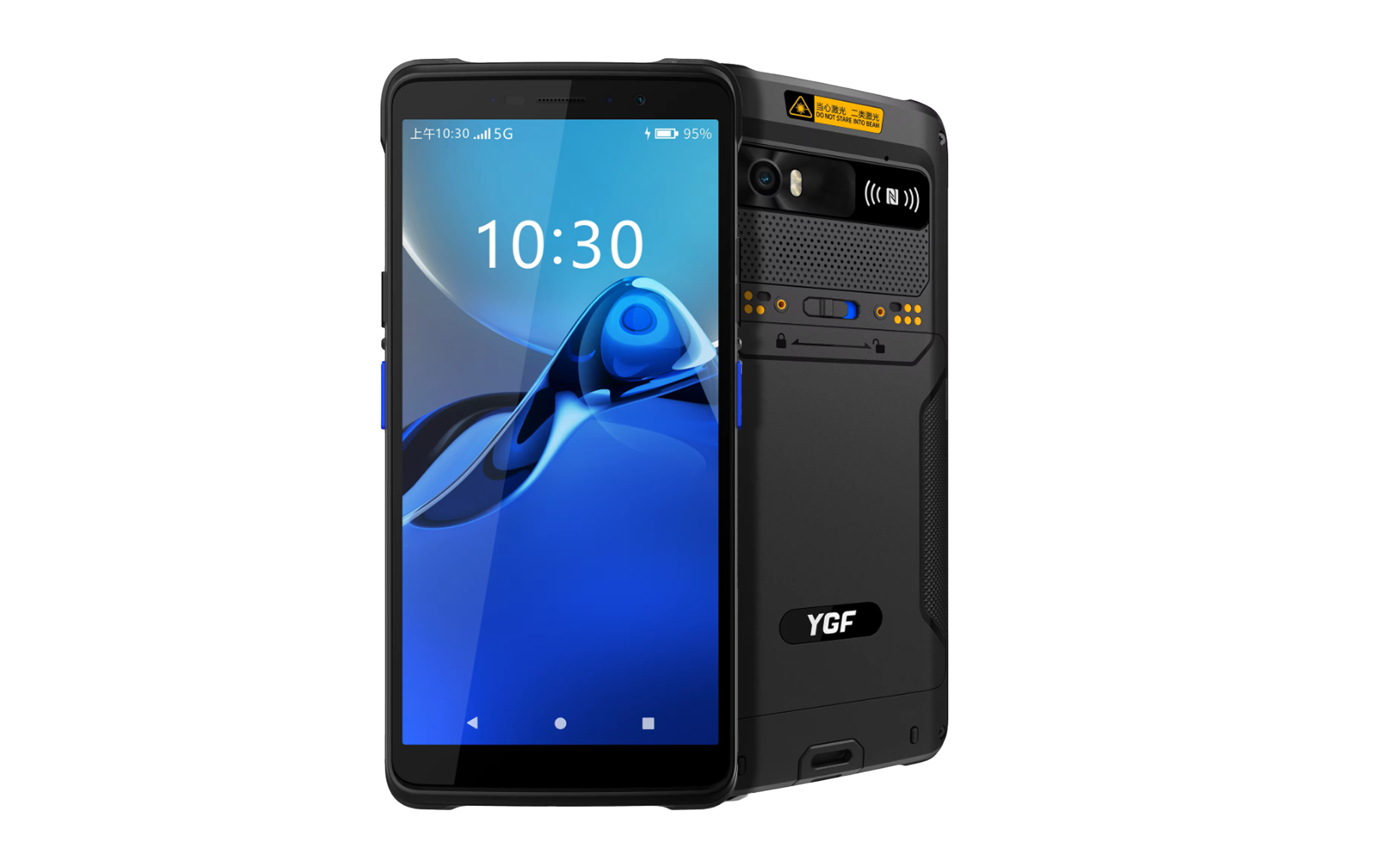
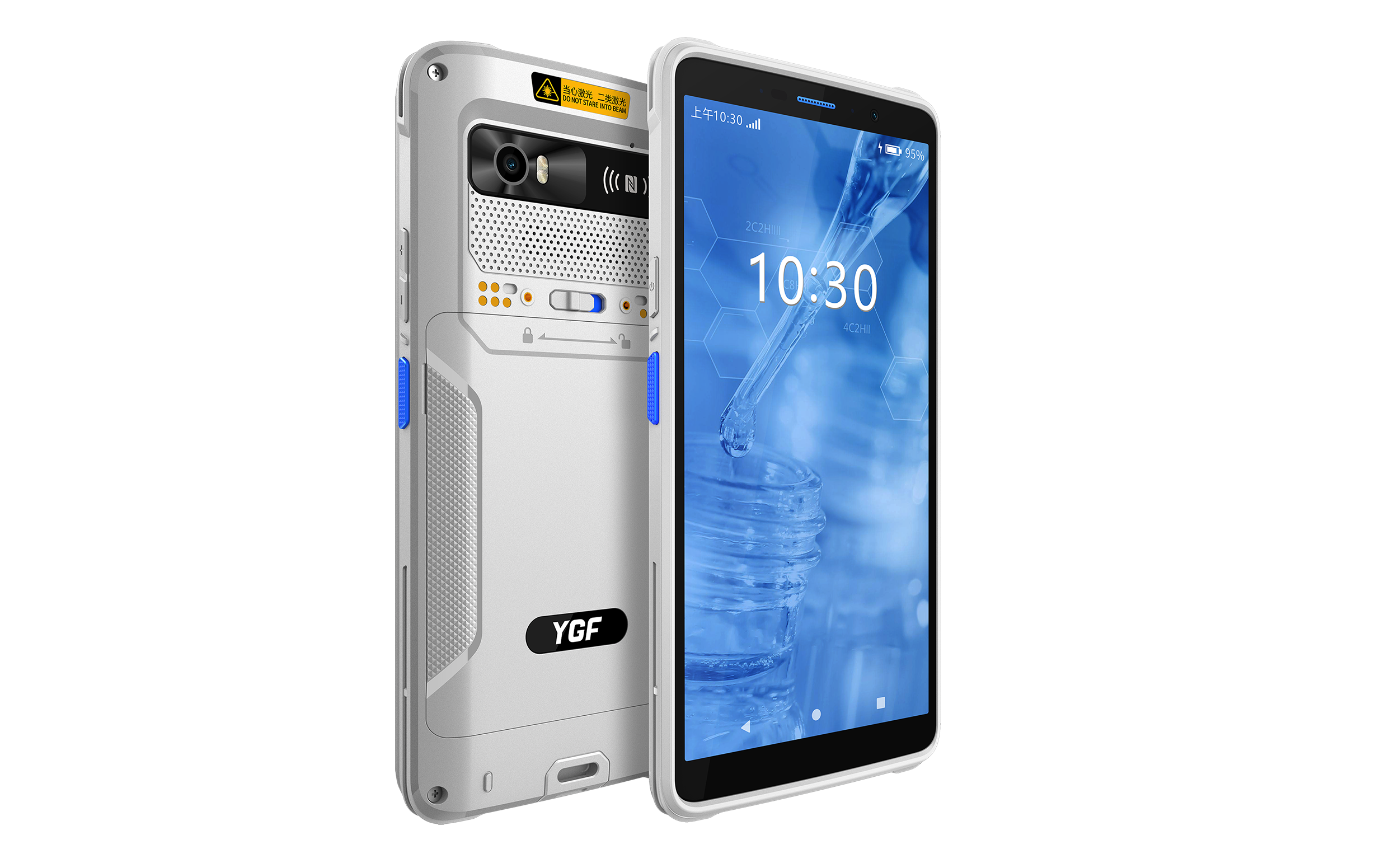
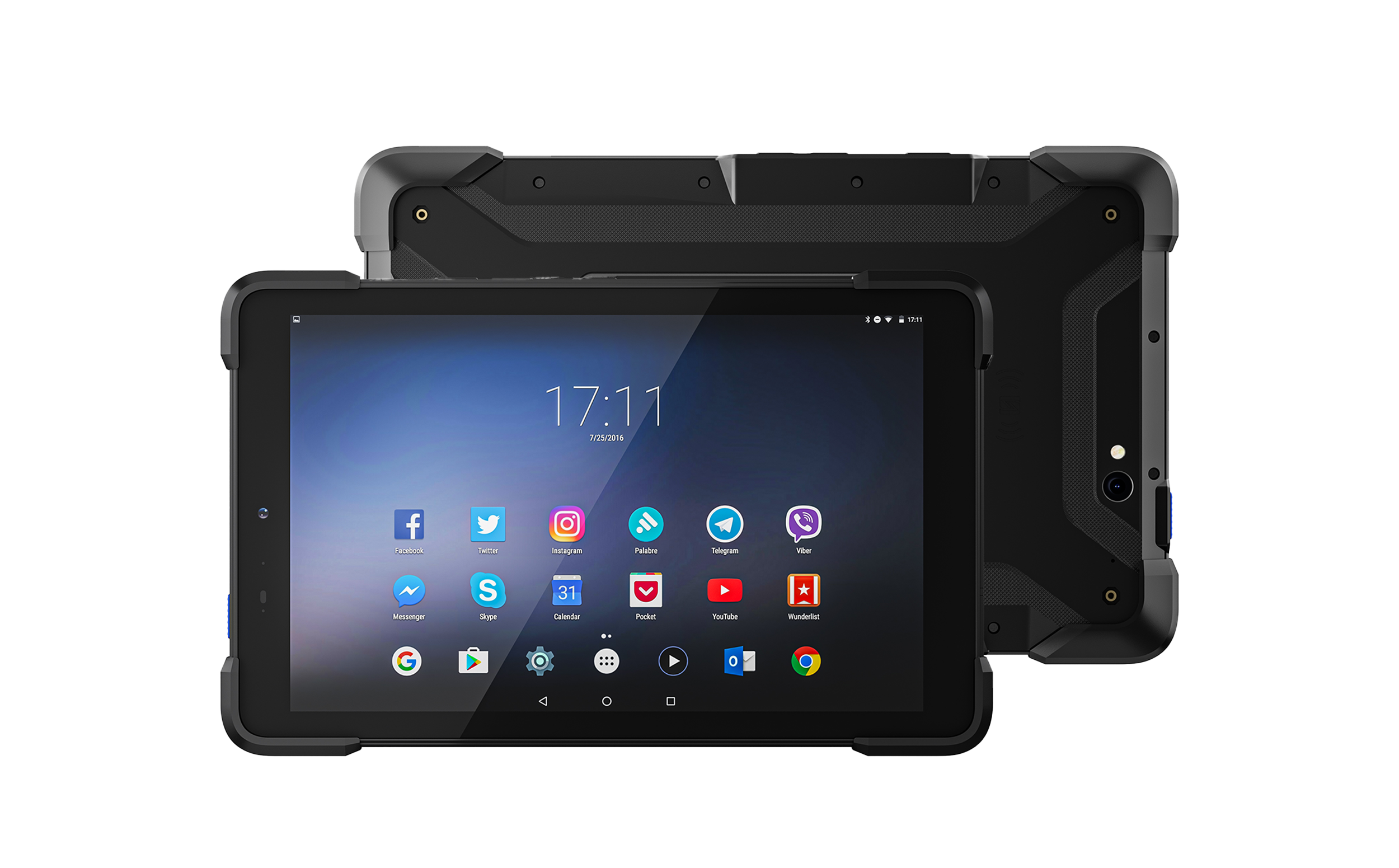
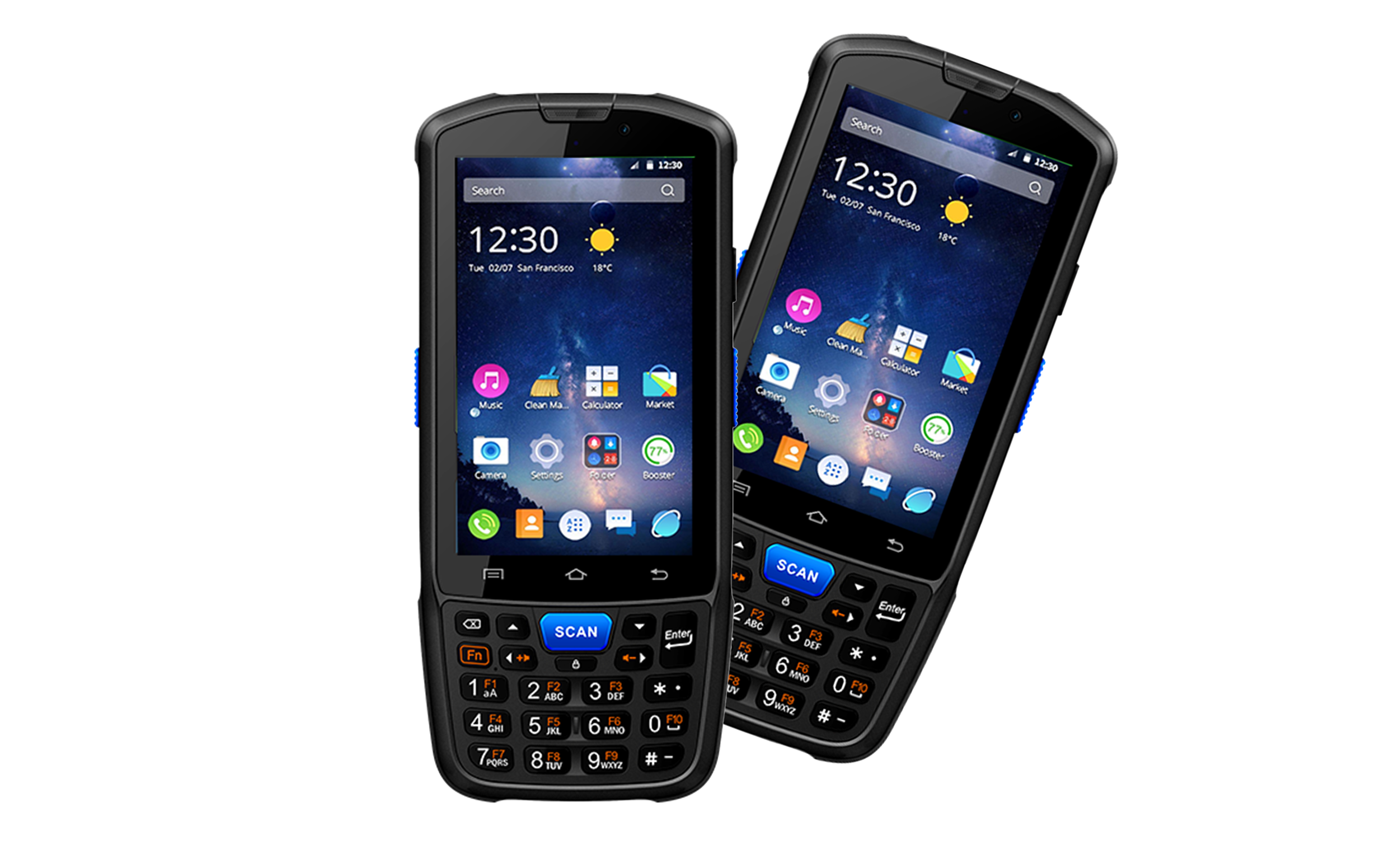
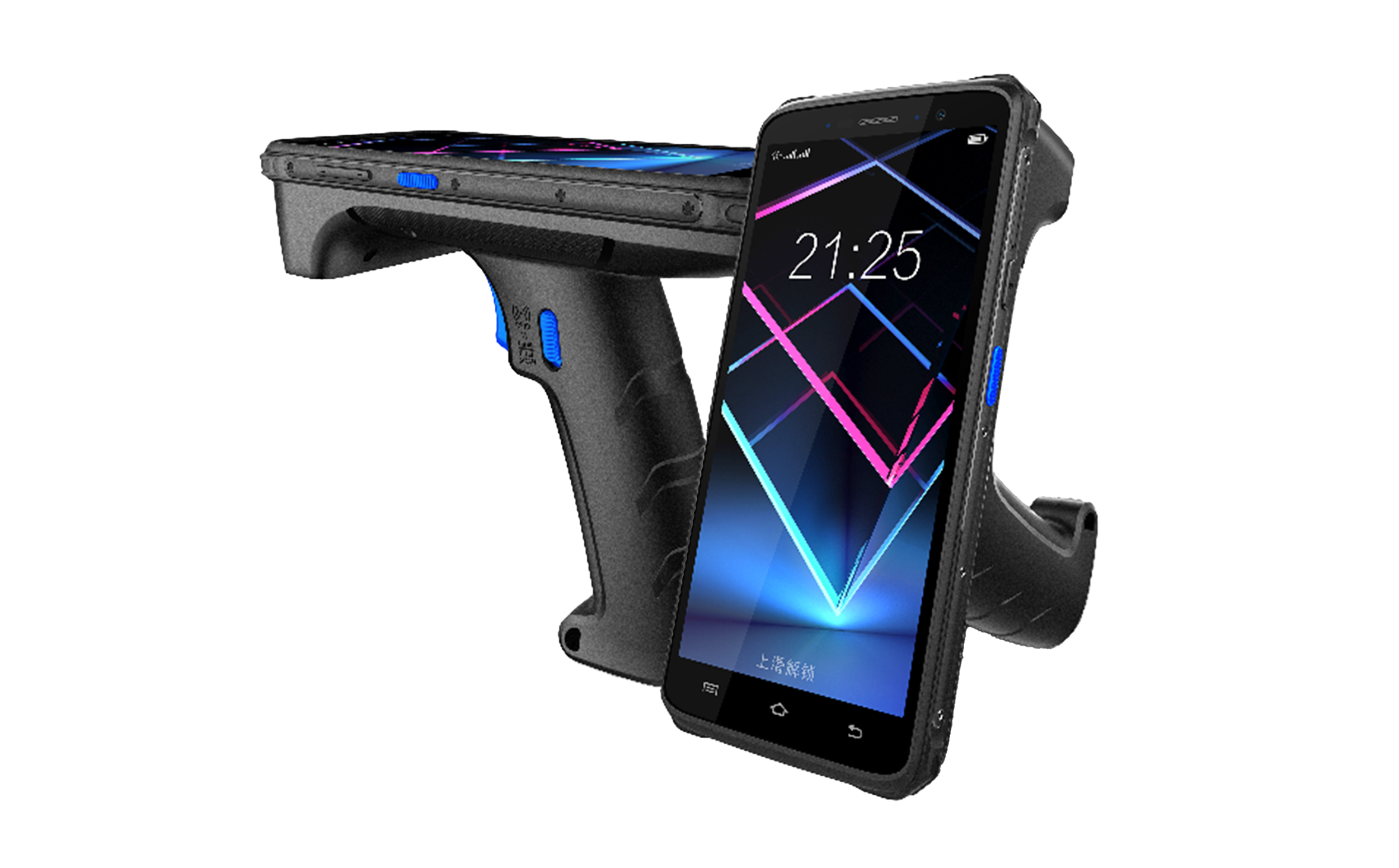
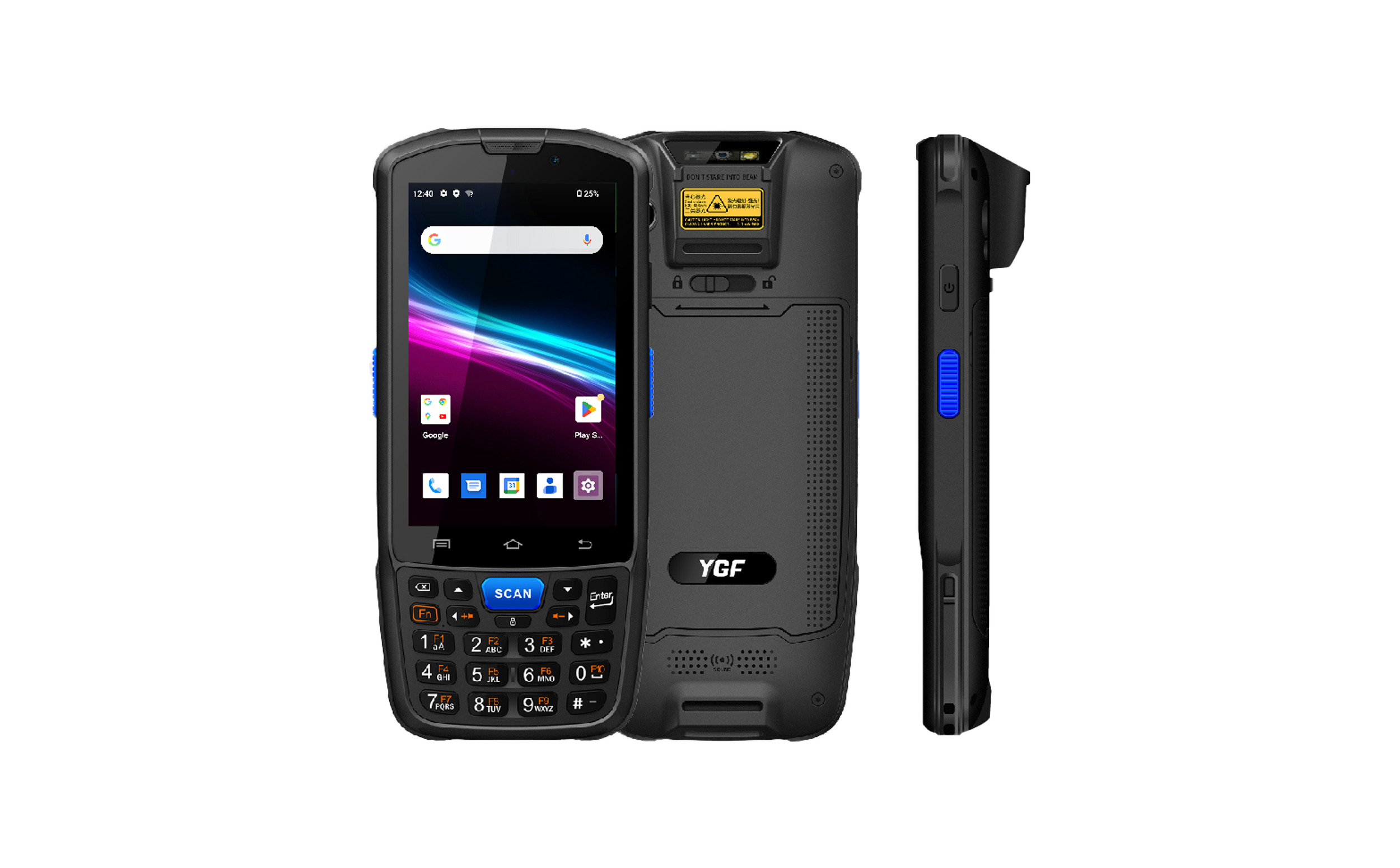
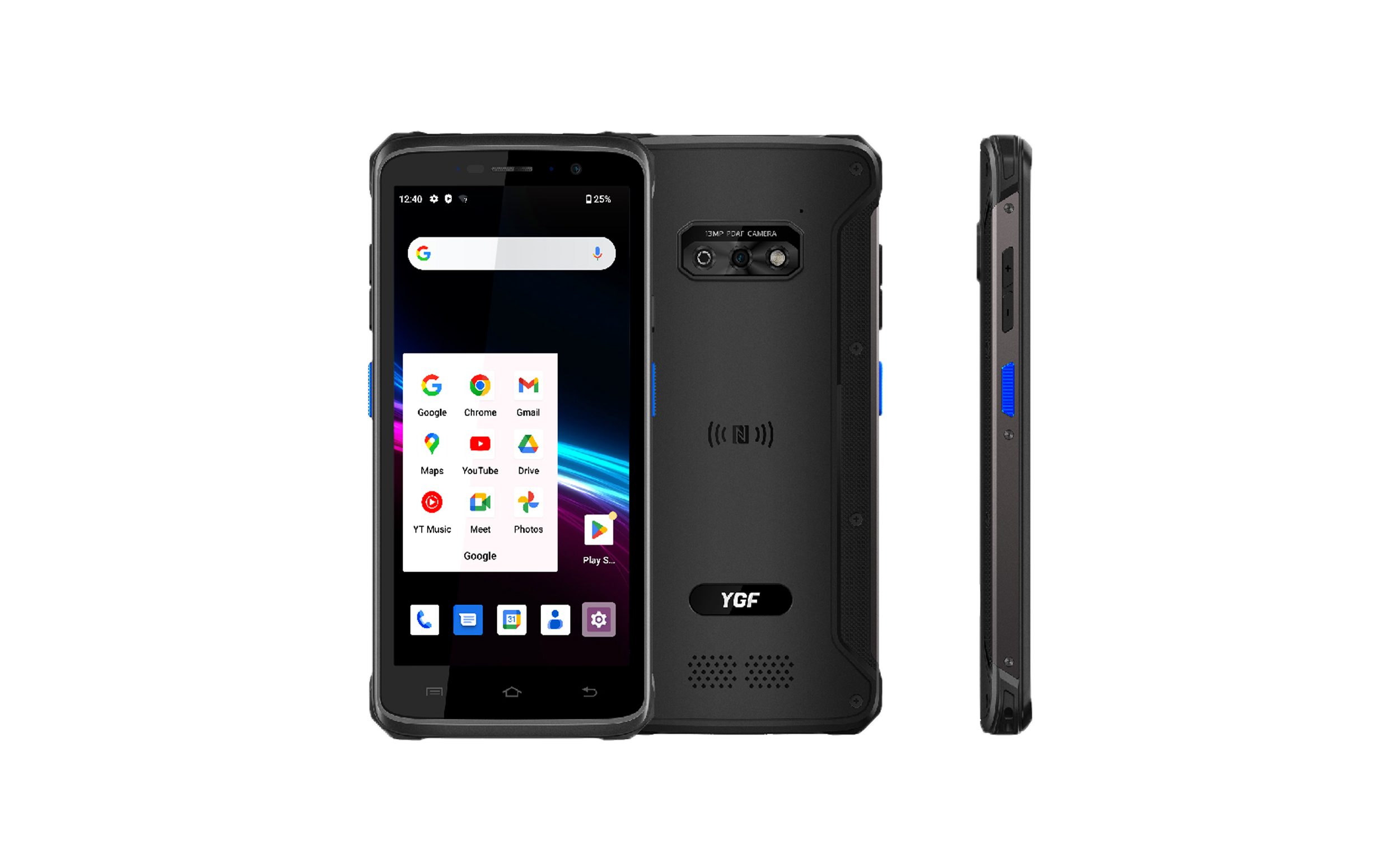
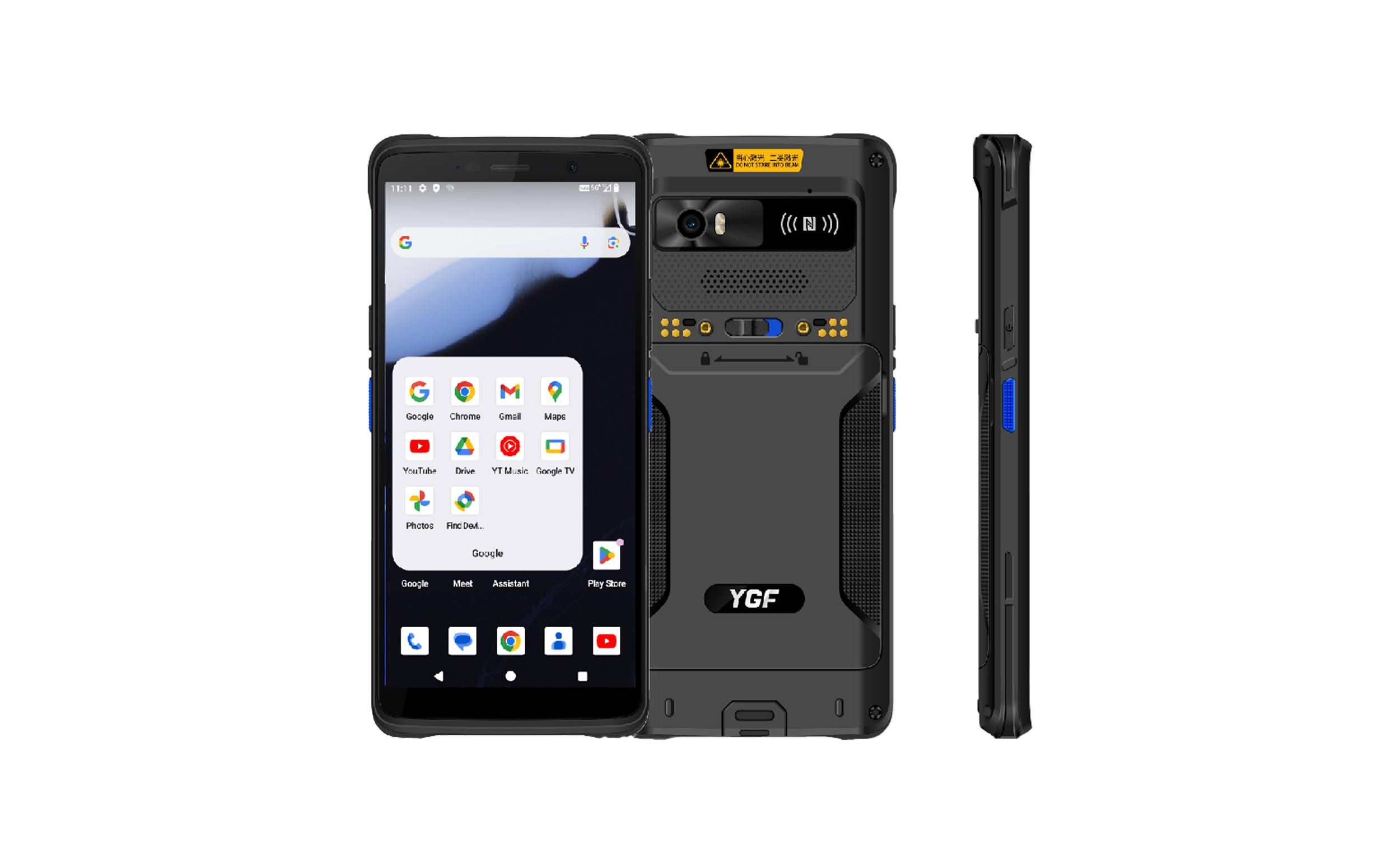
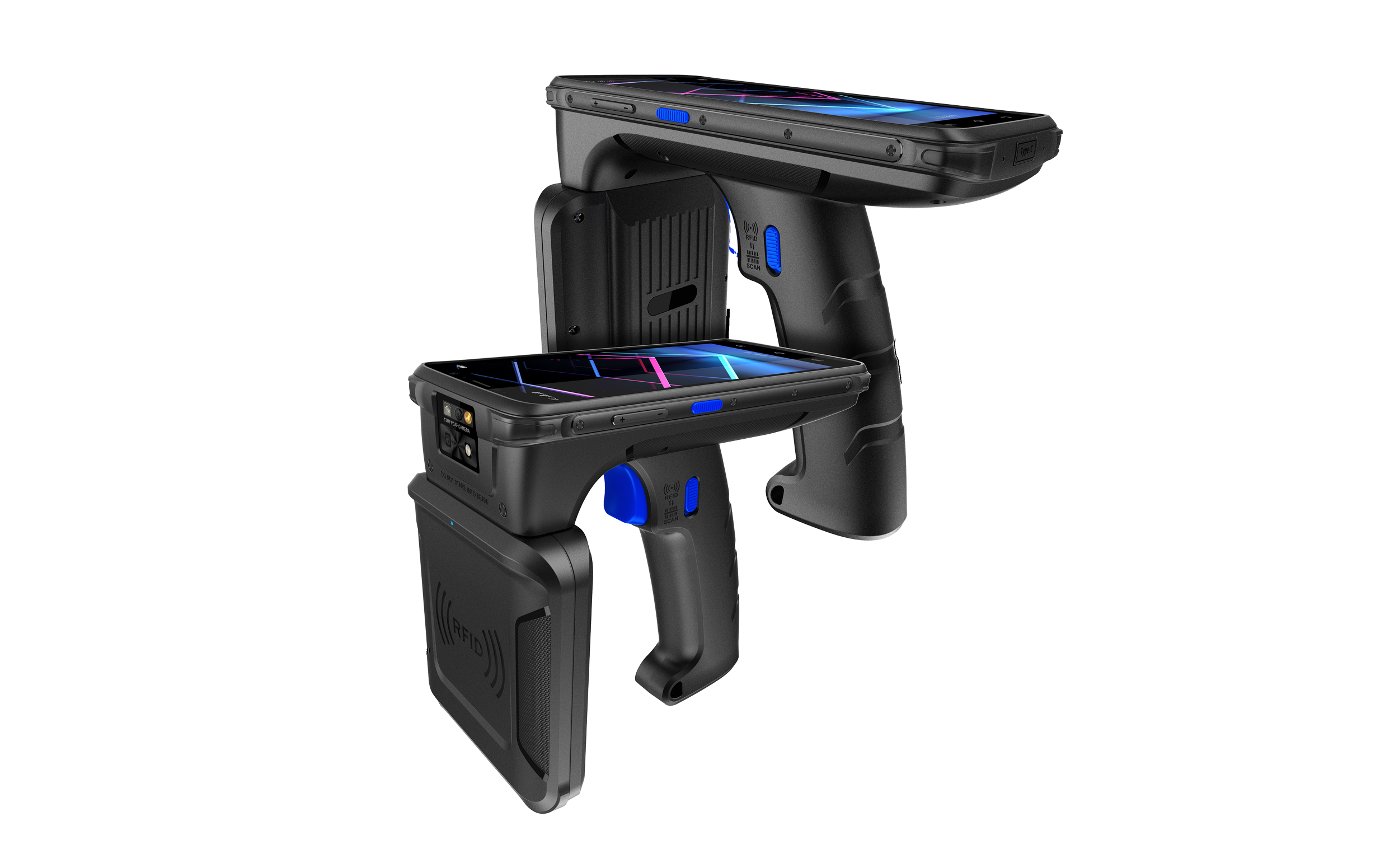
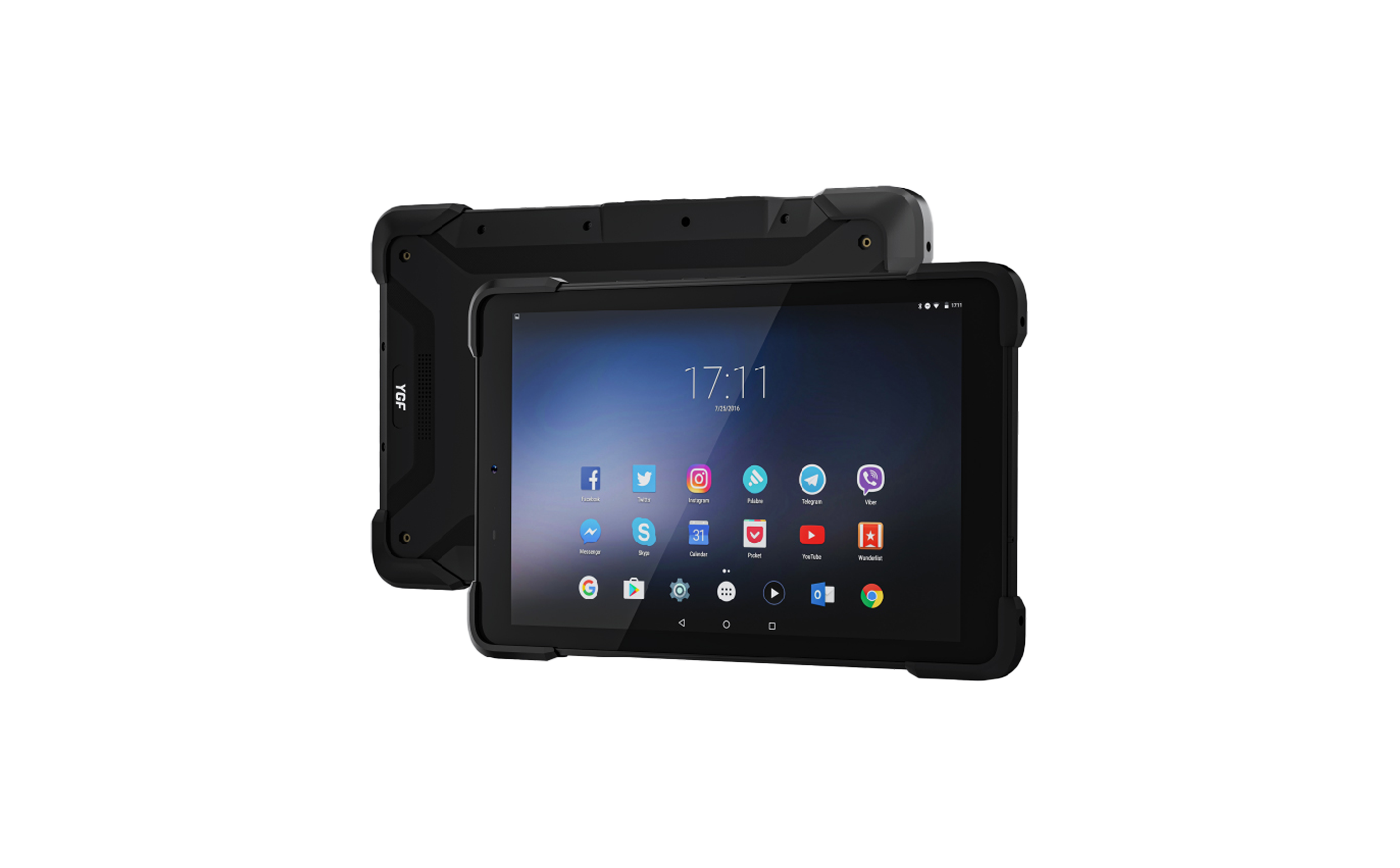
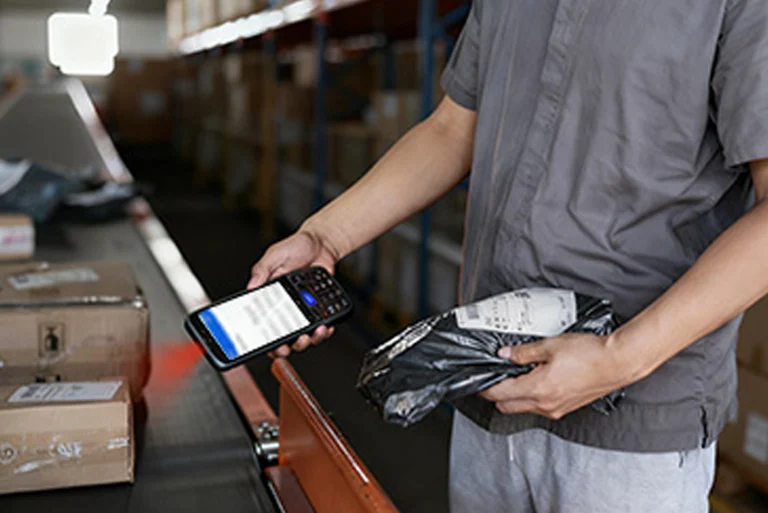
To support these operations, apparel retailers are adopting handheld PDA-based scanning workflows to manage shelf tasks such as replenishment, stock audit, price verification, and transfer confirmation. Workers use industrial handheld terminals to scan garment tags, shelf labels, and inbound cartons, enabling real-time synchronization with retail systems such as POS, ERP, and inventory management platforms.
During replenishment, tasks are dispatched to handheld terminals, guiding staff to restock items from the backroom according to current inventory, size curve, and sales forecast. Shelf scanning ensures correct merchandise placement based on style, color, and size, reducing misplacement and improving display accuracy. For cycle counting and audit processes, scanning provides quick validation of item counts, reducing the need for manual verification and allowing retailers to perform more frequent micro counts rather than disruptive full-store audits.
Price changes and markdown updates are executed through scanning and verification workflows, ensuring that promotional adjustments align with system values and eliminating pricing inconsistencies that impact customer experience. Transfer operations between stores or warehouse fulfillment centers are handled through scanning-based validation to ensure accurate allocation and avoid lost merchandise.
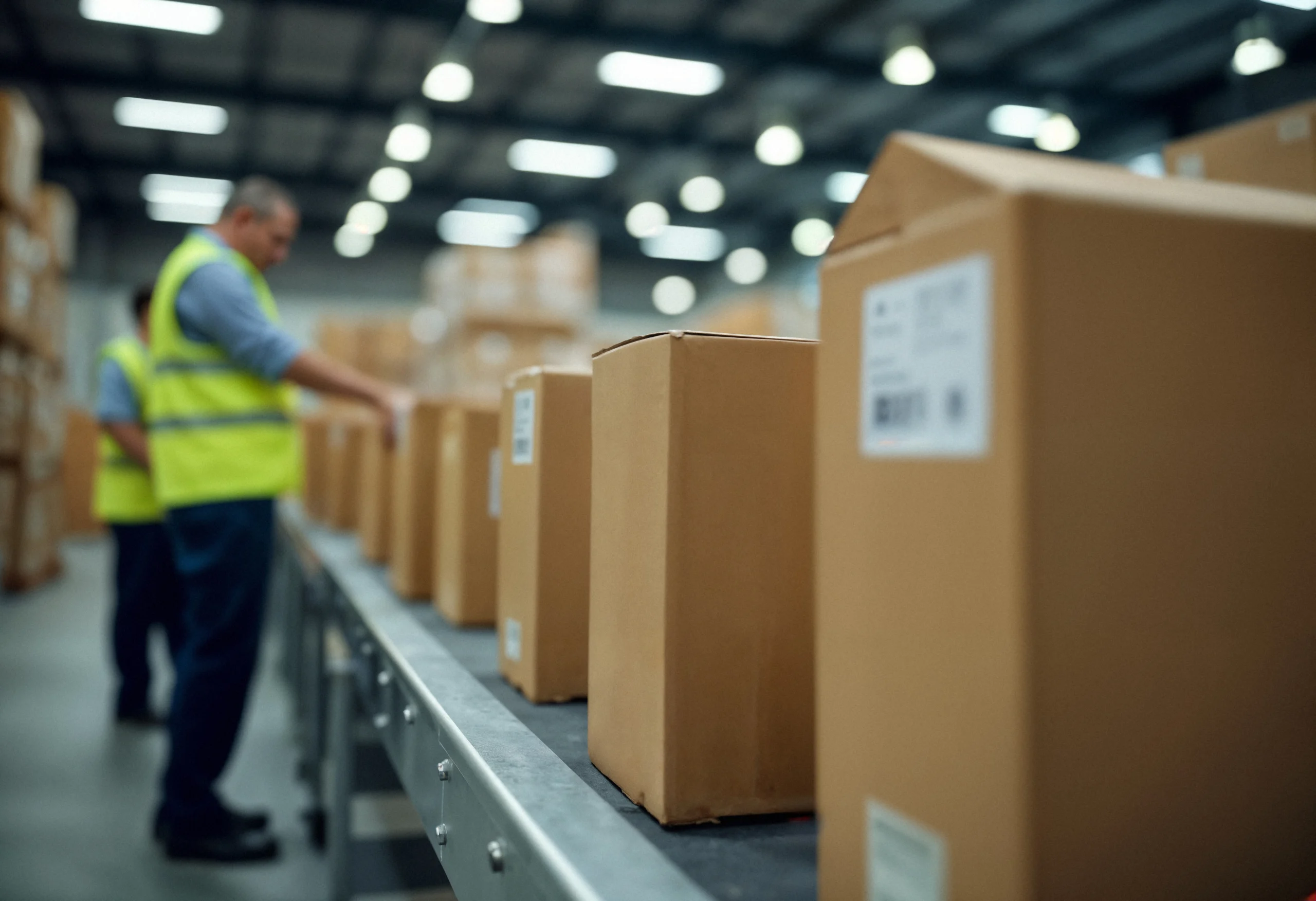
Industries such as fast fashion, sportswear, footwear, and specialty apparel leverage scanning workflows to support omnichannel fulfillment models, including click-and-collect, ship-from-store, and inventory reservation. Mobility terminals bridge the gap between physical inventory and digital sales channels by enabling accurate, real-time stock exposure.
With shelf-level data synchronized to central systems, retailers gain improved sell-through rates, reduced out-of-stock scenarios, and enhanced operational visibility across store networks. Mobility deployment enables continuous execution in high-volume environments and supports the digital retail transformation trend that connects merchandise, systems, and customer demand.